Food Passport
Stamp Your Way Through the World’s Kitchens
Team
Katsuragawa

Kim

Mawi

Cardenas

Problem and Design Overview
Food is a cornerstone of cultural identity, community, and heritage. It reflects who we are, where we come from, and how we connect with others. Engaging with cultural foods when traveling can present a challenge to some. Barriers such as accessibility, reliability, and exposure limit how people experience and appreciate new food and culture.
Food Passport transforms cultural discovery into a guided culinary journey. Travelers choose tasks from a range of activities that include trying a new dish or restaurant, reading reviews, or watching community-made videos. Tasks are completed, barriers are broken, new cuisines are tried, and "passport stamps" are earned, which function as community badges. Food Passport celebrates food as a dynamic expression of identity, community connection, and personal growth.
Food Passport Logo.
Our mission is to establish why cultural food exploration matters and to clearly frame the barriers that prevent people from engaging with it meaningfully. By highlighting how Food Passport transforms this challenge into an intentional and guided experience, we aim to spark curiosity and motivate, supporting cultural connection, personal growth, and community engagement.
Design Walkthrough
As part of our goal to make cultural food exploration more intentional and accessible, our two focus tasks highlight key moments of engagement with new cuisines and personal reflection. “Develop and Increase Comfort to Try Unfamiliar Cuisines” guides users through curated activities that reduce uncertainty and build confidence when exploring foods outside their comfort zone. “Evaluate and Reflect on the Experience” supports deeper processing, documentation of cultural insights, and the earning of meaningful "passport stamps." Together, these tasks encourage both action and reflection, fostering stronger cultural connection and personal growth.
Develop and Increase Comfort to Try Unfamiliar Cuisines
Food Passport enables the creation of a personalized task checklist built from curated activities designed to reduce uncertainty and build confidence when exploring foods outside one’s comfort zone. The tasks include:
- Learn: Gain insight or context about foods and cultures.
- Taste: Go to a restaurant, try a certain food, or cook with a provided recipe.
- Review: Review or read reviews about certain experiences.
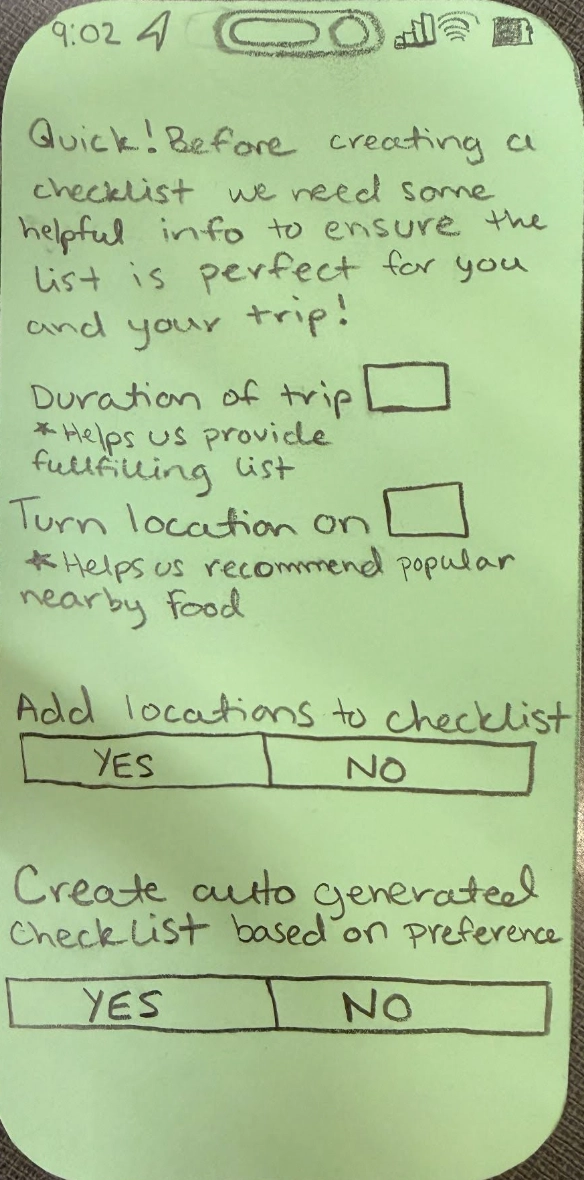
The tasks are curated based on travel details and allow flexibility based on personal interests. Manual task selection can be skipped by auto-generating the tasks after selecting a desired country. The full process is displayed below.
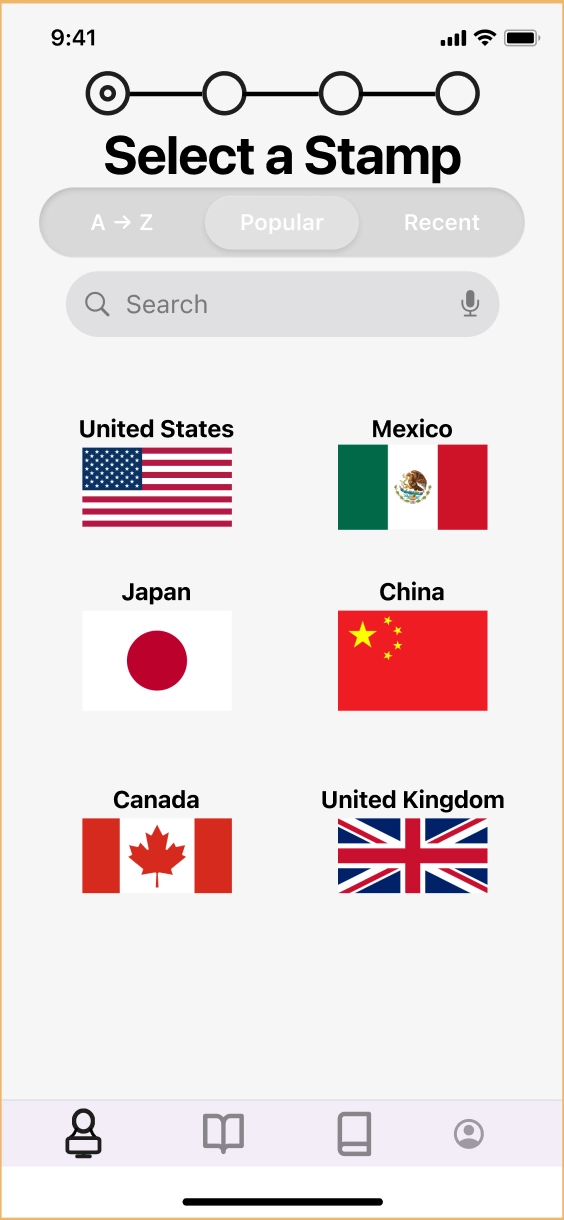
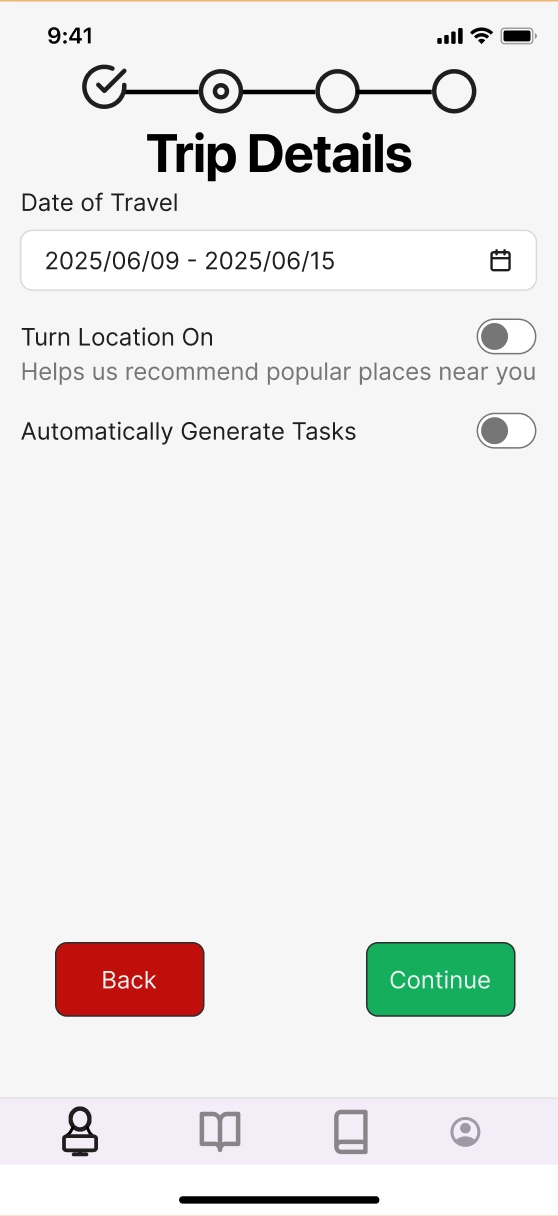
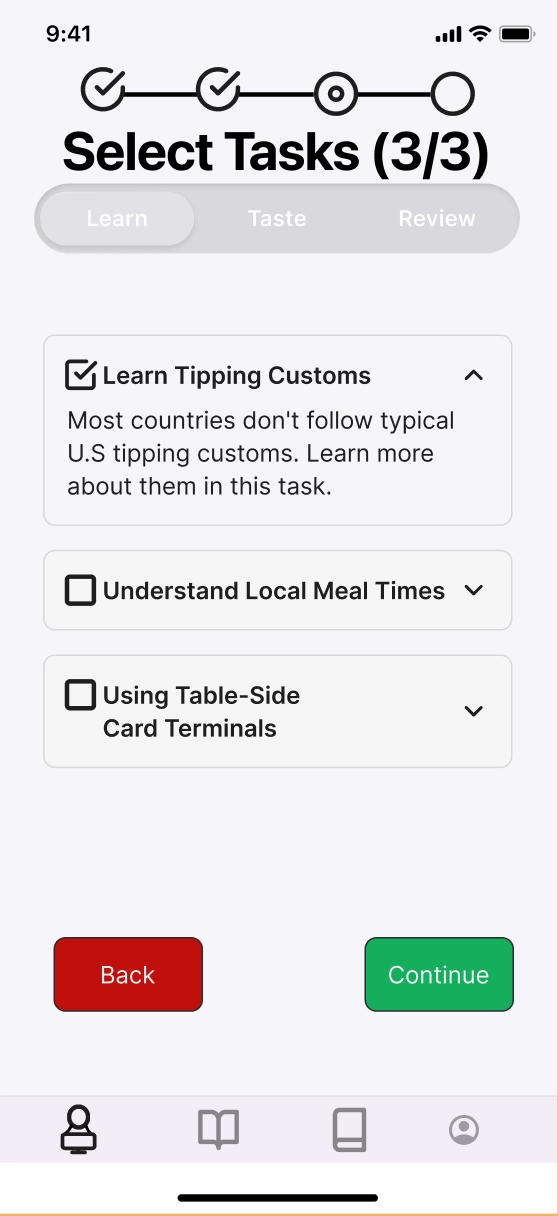
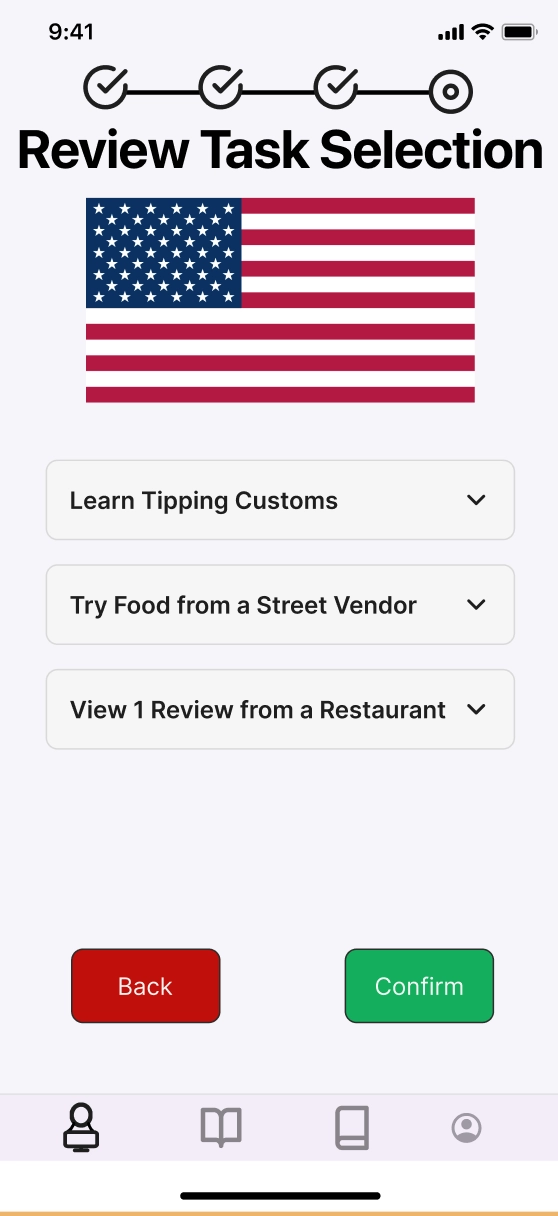
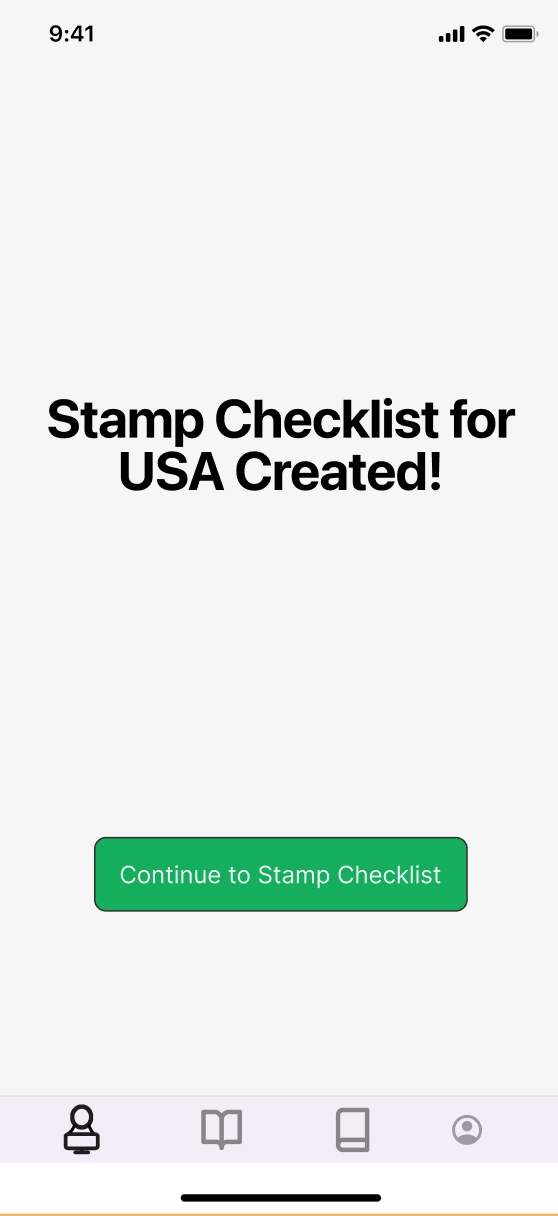
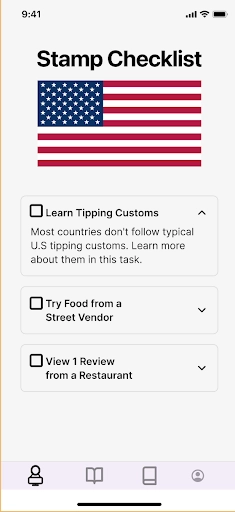
Creating a Checklist for USA Exploration.
Evaluate and Reflect on the Experience
After completing a task, a brief review is prompted to evaluate the experience’s effectiveness and enjoyability. This quick reflection helps determine whether the task remains relevant and worth repeating. The review can also be deferred if a proper evaluation isn’t possible in the moment.
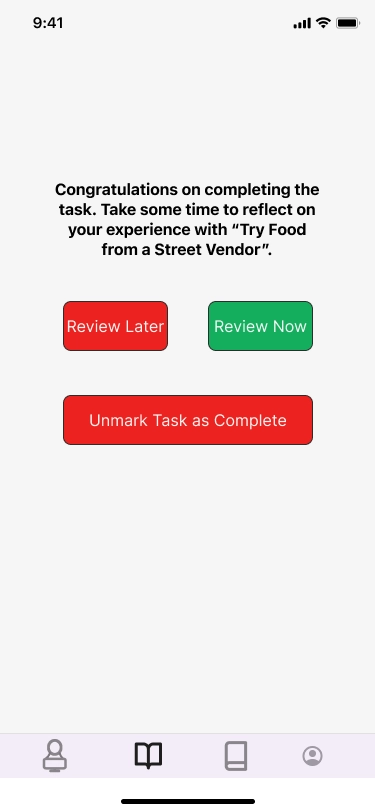
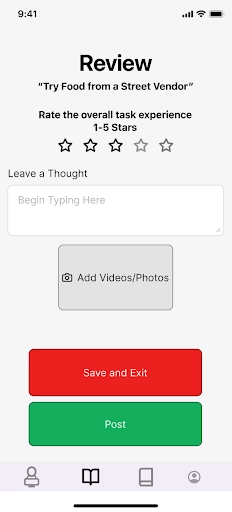
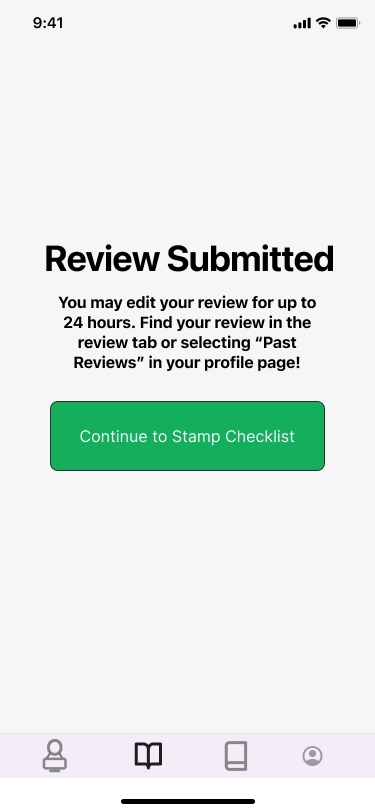
Review Pages.
A more comprehensive reflection is available after all tasks are finished and a passport stamp is earned. Unlike the brief reviews, this final reflection centers on which parts of the checklist were most helpful and what cultural insights were gained through engaging with different foods.
Past reviews can be tracked and edited for a limited 24-hour period. This limit maintains authenticity while allowing minor corrections. All previous reflections, restaurants visited, and related activity records remain easily accessible, but unchangeable.
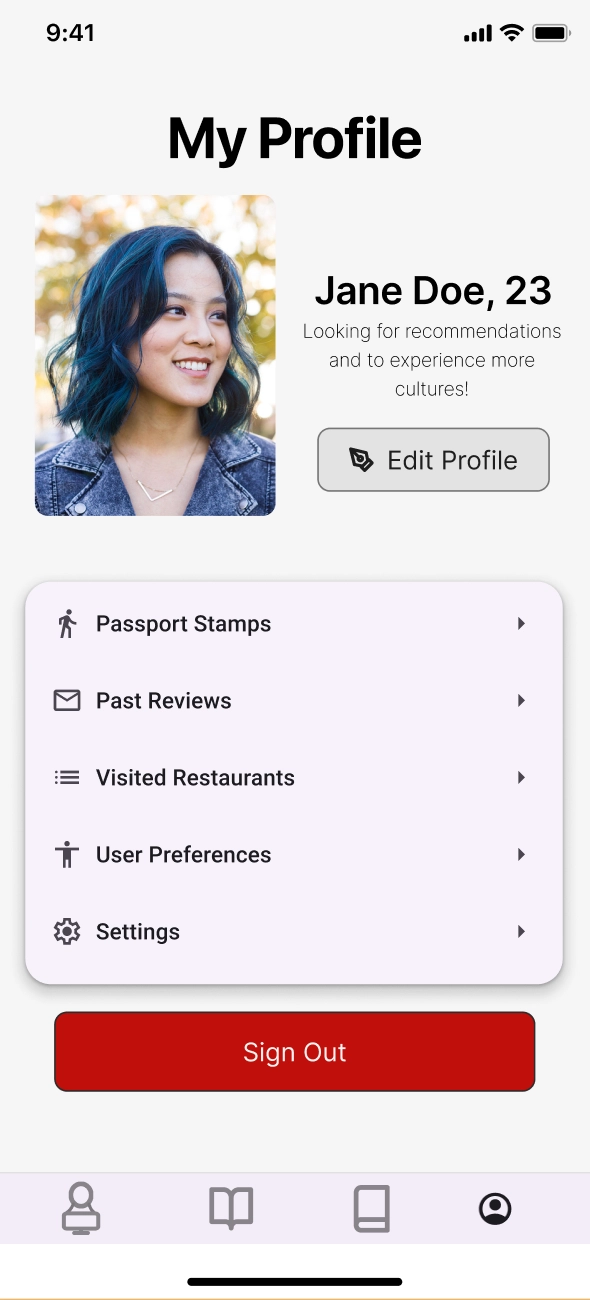
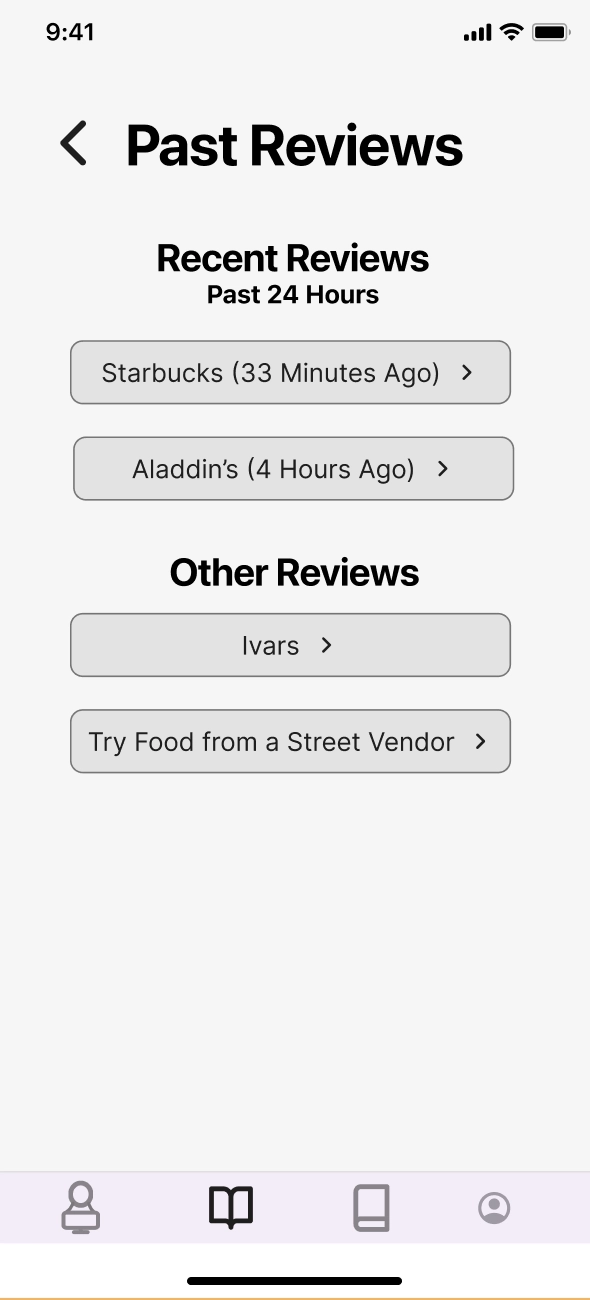
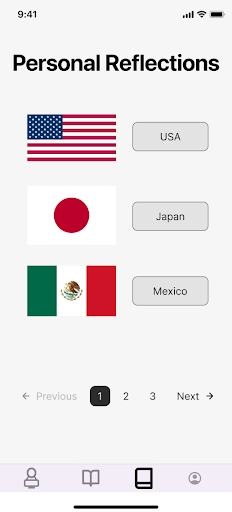
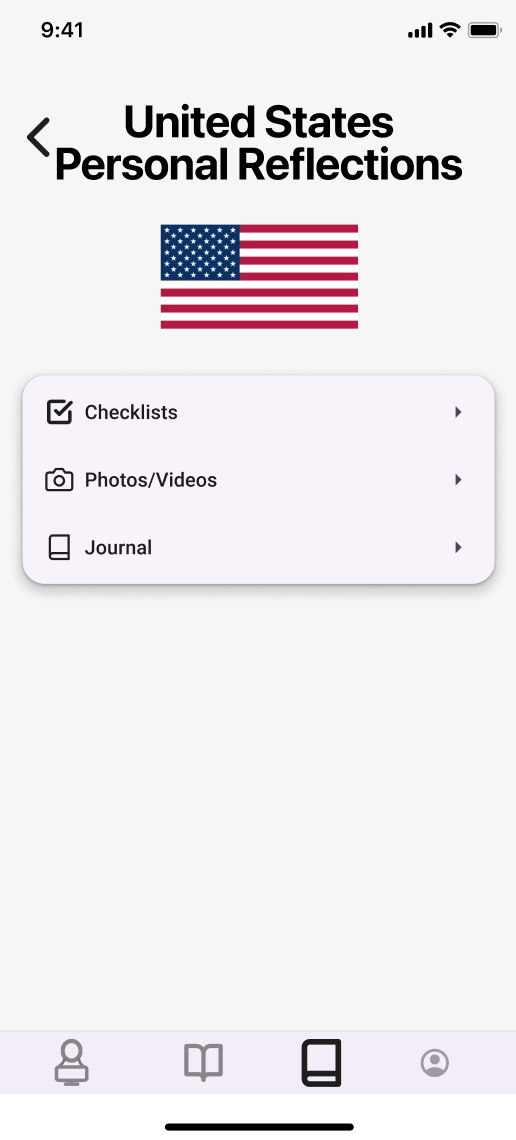
Some of the review/reflection aspects.
Design Research and Key Insights
Our design research explored how people discover new foods, the challenges they encounter, and how cultural understanding develops through their food experiences. We conducted semi-structured interviews with four participants who frequently travel or have lived abroad. The participants included:
- Participant 1: Retired ex-military, deployed multiple times, frequent traveller, last travelled to Japan.
- Participant 2: Cambodian student, studied abroad.
- Participant 3: College staff, travels semi-frequently, last travelled to Spain.
- Participant 4: Part-time college student, travels out of country once a year and out of state once every two months.
We hand-picked this group for their exposure to multiple cultures and their deeper connections to certain foods and cultures. Personal structured interviews allowed us to capture personal stories, emotions, and motivations-insights that other research methods would be less likely to reveal. From these conversations, we identified three key insights:
Food is Emotional: Seek Comfort, Connection, and Cultural Meaning
Participants consistently described food as a way to connect with their culture/community, seek comfort, or explore identity. One participant shared that eating food from home makes them feel grounded, while another tries new cuisines to better understand people. A different participant explained, “I don’t like seafood so I stayed away from sushi spots and stuff...but I did go to the McDonald's (in Japan) once which had different items than over here (USA).” This highlighted a pattern: many seek familiarity while still being open to small changes.
Another participant noted, “I usually travel within my home state but sometimes go out of state once a year...I love trying new foods as much as possible! When I cook, I usually tend to stick to whatever I already know how to cook but when I go out to eat, I try to find new places or cuisines.” This showed that even without frequent travel, food becomes a pathway for curiosity and discovery.
These insights directly informed our concept of passport stamps and the idea of a cultural journey. Food Passport emphasizes learning, progress, and reflection—distinguishing it from existing restaurant-finder apps that focus primarily on ratings or transactions. Our design centers on personal growth rather than consumption.
Users Want to Track Progress and Reflect
Several participants expressed interest in seeing their progress over time, similar to a journal. To support this, we created dedicated sections for personal reflections and access to past reviews, allowing individuals to evaluate their overall journey. We also added shortcuts to make these features easier to navigate. By enabling progress tracking and deeper reflection, Food Passport becomes more than a checklist—it evolves into a long-term personal growth tool.
Viewing old reviews and adding personal journal entries.
Accessibility and Familiarity Are Barriers
Through interviews we found that traveling is not possible for many people due to financial, physical, or personal reasons, among others. Due to this, accessibility to cultural experiences is not the same for everyone. One participant adds that cultural barriers such as the method of eating or customs can make it difficult to try new things.
This insight became the basis of two aspects of our design. First, we added the country and stamp ideas to accommodate users who lack the ability to travel. This brings the traveling aspect to them and allows for them to continue their food exploration from wherever they are. We also incorporated a live-location feature to identify local places that users could try that give a similar experience. Second, we added the "Learn" subcategory of tasks, which help users learn important context, history, or lessons that are immersive and help break down the wall of unfamiliarity.
Iterative Design and Key Insights
Our iterative design process combined paper prototyping, heuristic evaluations (inspection), usability testing, and a digital mockup to progressively refine our concept. Paper prototypes helped us explore the design space, understand our target users, and identify the core feature flows. Heuristic evaluations and usability testing then highlighted underdeveloped areas, especially the unintuitive flows for leaving reviews, obtaining stamps, and navigating between screens. These insights revealed gaps we failed to fully consider during early prototyping. We used this feedback to create the digital mockup which improved navigation, redesigned the task checklist for earning a stamp, and expanded the review and edit-review flows, ultimately making the interface more intuitive and cohesive.
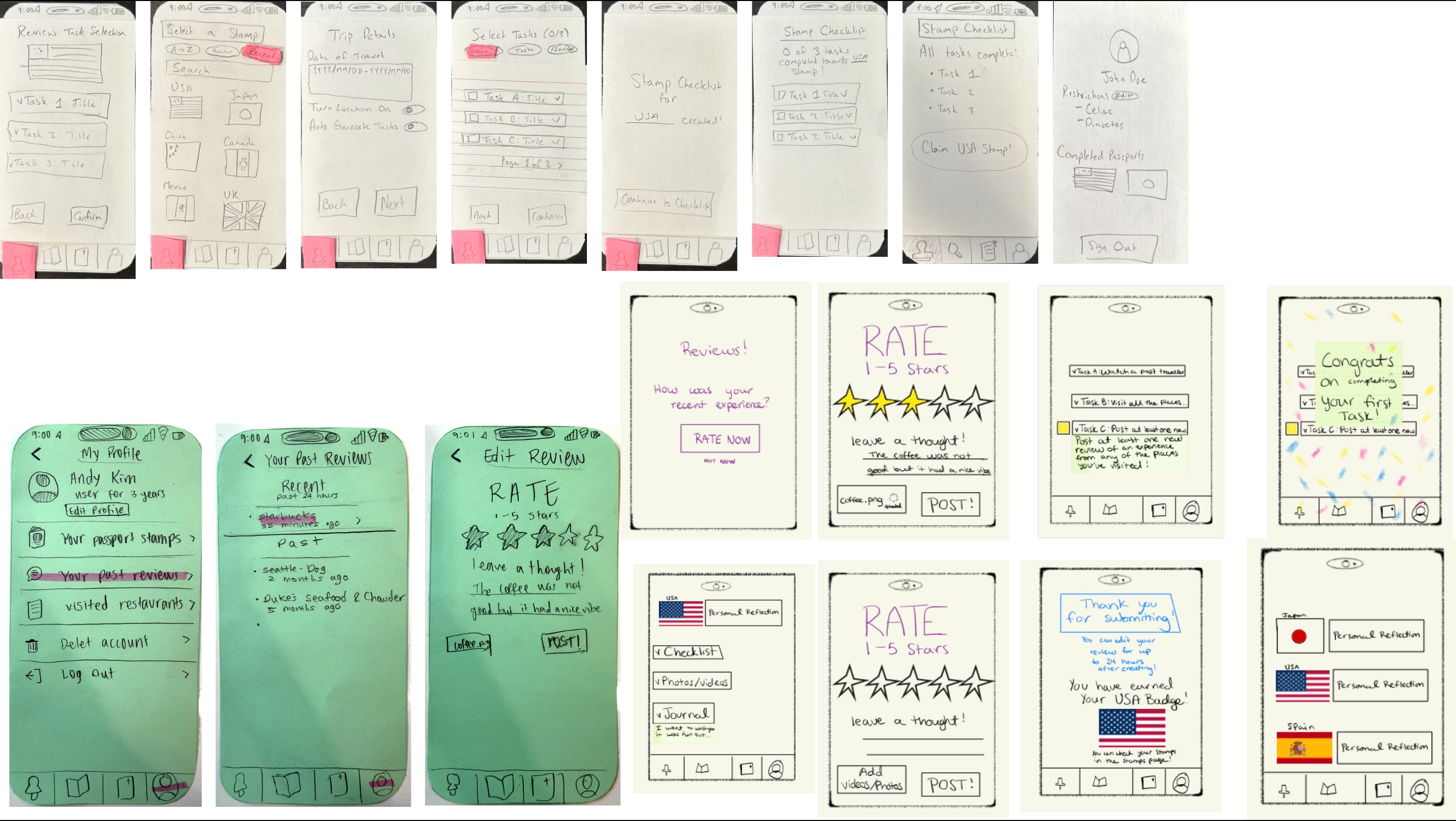
Paper Prototype.
People Avoid Learning That Is Intimidating or Boring
Participants shared that most of their food recommendations came from social media, community forums, or local suggestions. They also expressed a strong dislike for anything that felt like "reading an article." This guided our initial design decisions, where we aimed to create a sense of accomplishment through stamps and achievements rather than dense text.
However, heuristic evaluations revealed that several screens were still too text-heavy, reinforcing the very issue that participants hoped to avoid. We revised the paper prototype to remove unnecessary text, and later usability testing highlighted that the Task Checklist page felt overwhelming and lacked clarity on how long setup would take-an issue that could discourage continued engagement.
To address these concerns, we redesigned the interface to be more visual, structured, and interactive. We added a progress bar to increase visibility of task-selection progress and reduce early drop-off. Text was minimized and streamlined with drop-down menus on each page to reduce clutter. Finally, tasks were reframed as digestible micro-lessons to reduce intimidation and support smoother cultural exploration.
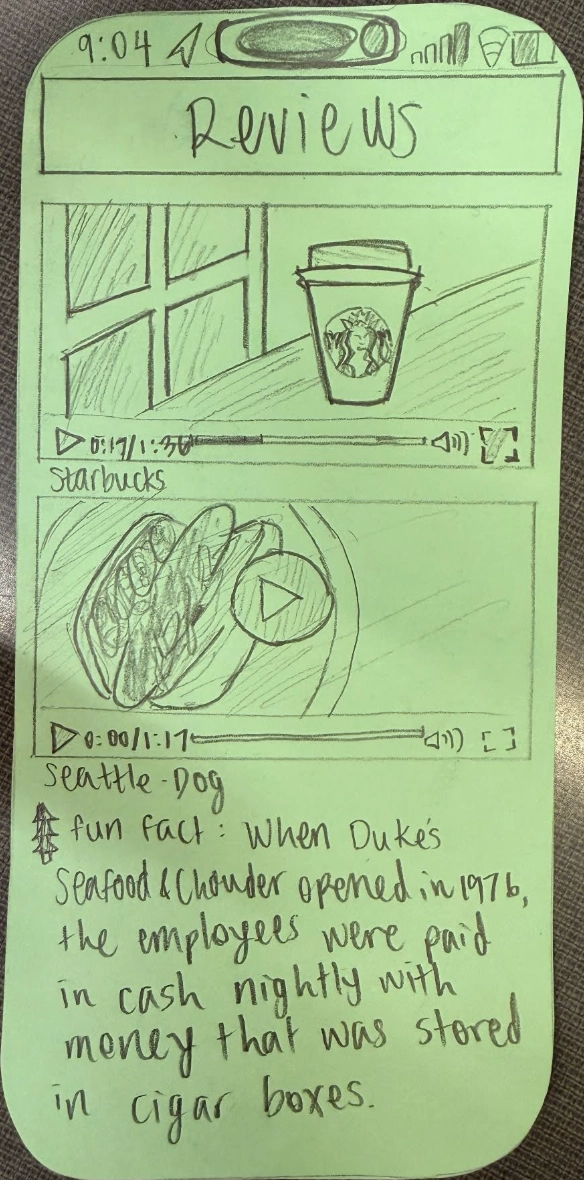
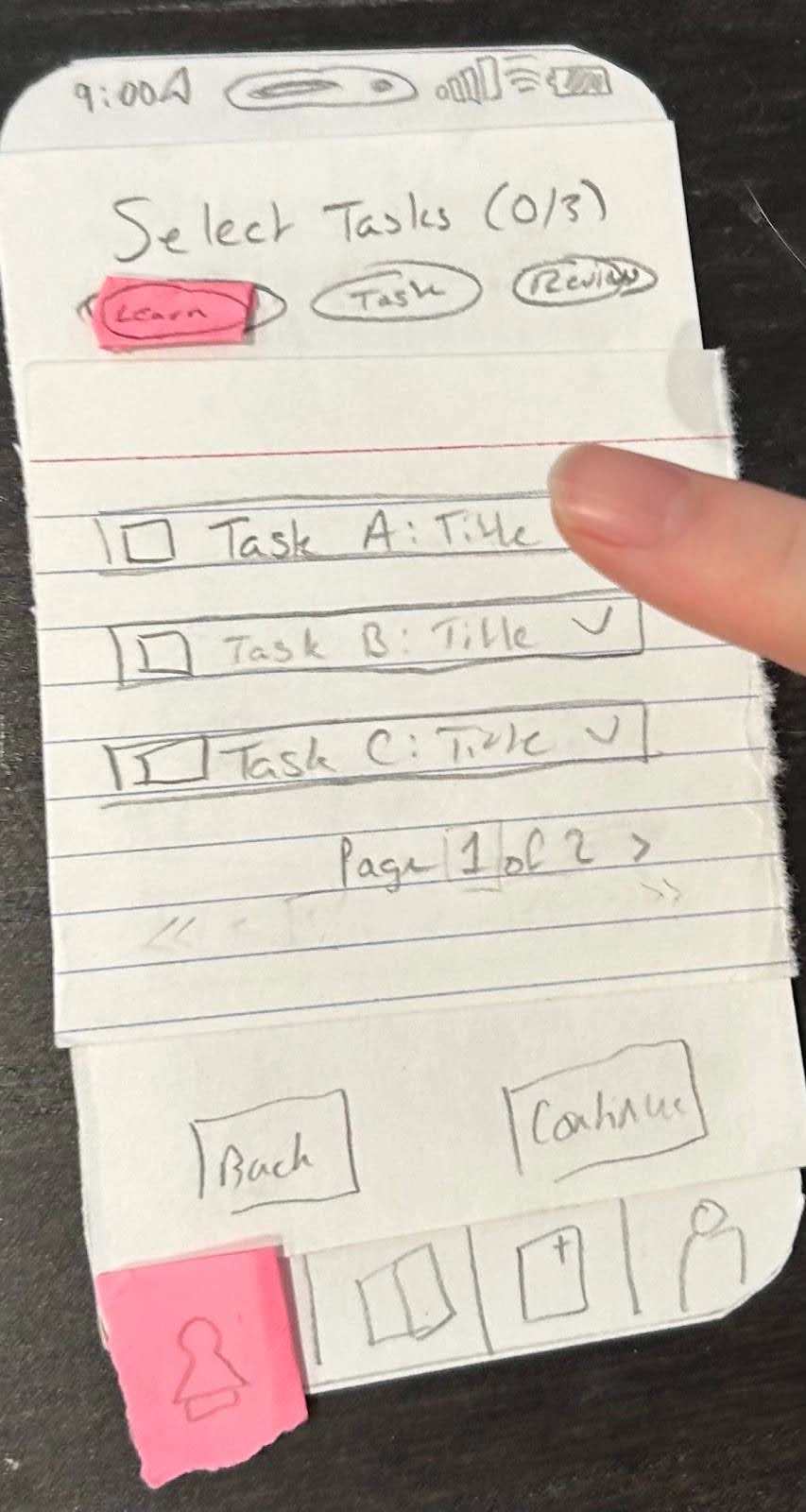
Initial Paper Prototype to Final Paper Prototype to Digital Mockup.
Navigation Clarity and Interface Flow
Heuristic evaluations revealed that the paper prototype was difficult to navigate, primarily due to missing navigation buttons. In developing the prototype, we focused heavily on the core pages and overlooked the intermediate steps and actions needed to move fluidly through the interface.
Before usability testing, we added essential navigation controls to address this issue. However, the prototype still only included the screens required for our two tasks. When evaluators attempted actions that were not yet supported, we documented these moments and incorporated them into the digital mockup.
For example, one participant attempted to access and edit past reviews. Although this was not initially supported, we refined the design to allow edits within a 24-hour window. Allowing enough time to correct mistakes or add clarifications without altering the original authenticity of the reflection.
Addition of Navigation Buttons.
Ensuring Actual Learning and Exploration
During usability testing, one evaluator raised a concern about whether Food Passport could ensure meaningful learning if someone were to select only "Learn" tasks but quickly skip through the content to earn stamps. To address this, we incorporated brief review reflection questions after each task-alongside the final reflection-to encourage genuine engagement.
Another evaluator noted that the original reflection prompts were too broad, making them both intimidating and less likely to yield meaningful insights. We revised the questions to be more task-specific, making them easier to recall, reflect on, and answer constructively.
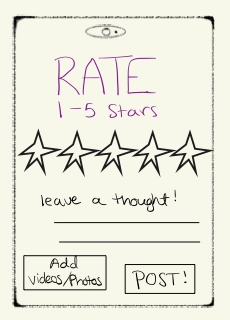
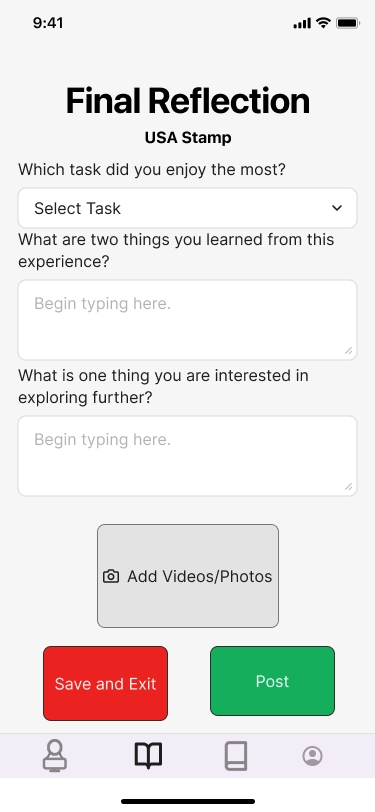
Reflection Paper Prototype to Digital Mockup.